
Licensed Exterminators of Common & Unusual Pests
High-quality
Pest Control, Proven Results
Security Pest Elimination was founded in 1993 to provide high-quality pest control at a fair price. Most of our technicians average well over 15 years of experience in general pest control, mice control, termite treatments, roach extermination, flea control and bed bug extermination — and we’re fully licensed and insured.
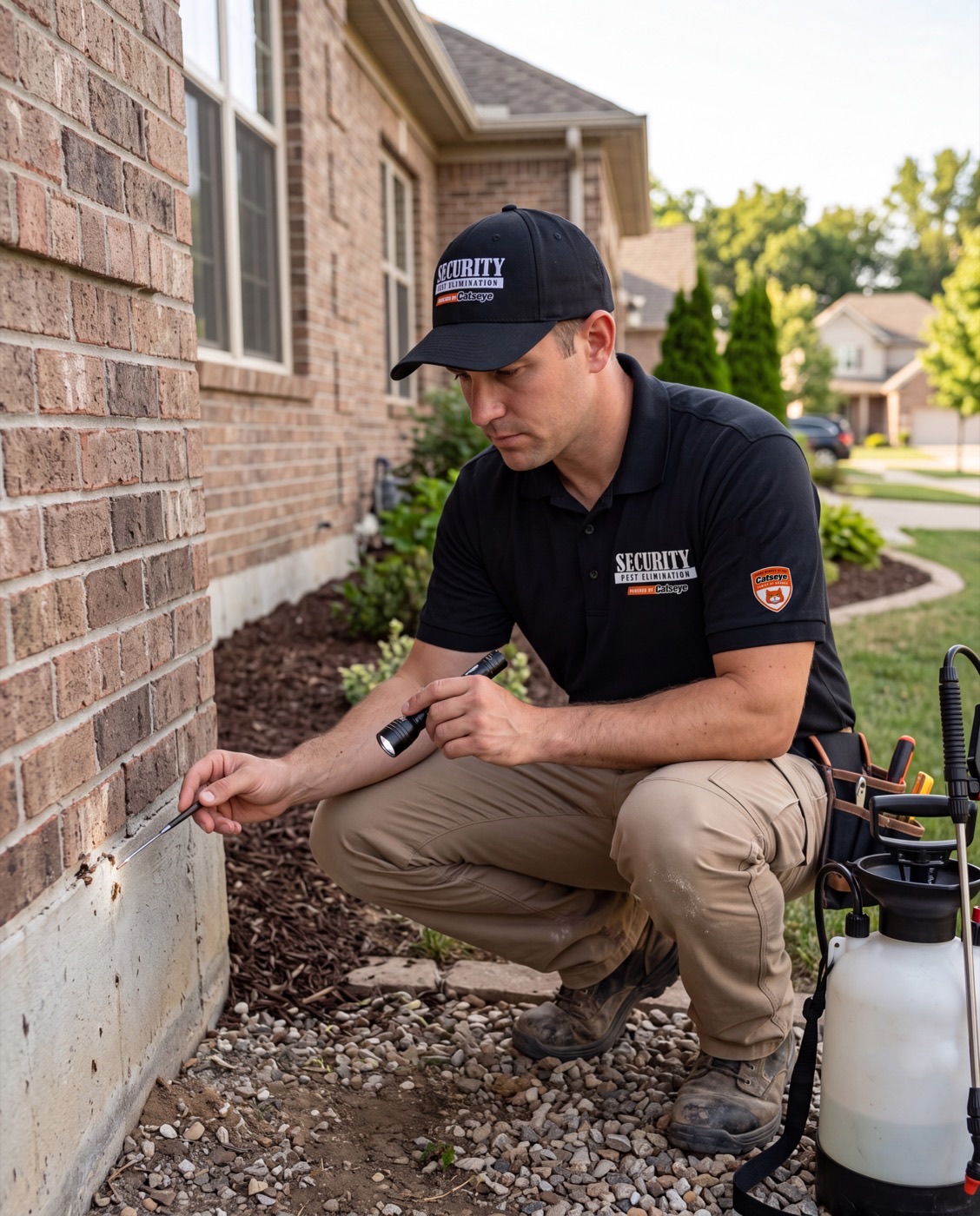
30+ years
as a locally operated Massachusetts and Southern New Hampshire pest control business
30+ Years
Locally operated since 1993
Licensed & Insured
Fully certified technicians
Proven Results
All work covered by our service agreement
Free Phone Quotes
Free on-site quotes for termites & bats
What We Treat
Pest Control Solutions for Every Problem
Fast effective mice extermination, rodent control, mouse control, rat control, roach control, wildlife control, bed bug extermination, flea extermination and spider treatments. We also provide pest control services for many lesser common pest problems.
Mice Control
Effective mouse control and rat control methods. Rodent control experts. Affordable rodent pest control treatments. Mass rodent exterminator professionals since 1993.
Learn more →Termites
Fast acting, termite treatments, termite inspections, full termite control services and VA wood destroying insect inspections. We offer low-odor, long-lasting termite control treatments covered by our service agreement. Free termite quotes.
Learn more →Carpenter Ants
Fast-acting carpenter ant control, sugar ants and black ant control treatments. We have effective treatments for all types of ants.
Learn more →Bee Removal
Fast extermination of carpenter bees, wasps and hornet nest removal. Also, including ground bees, wasp removal, digger wasps, yellow jackets, wasp nest removal, paper wasps and bald faced hornet nest removal.
Learn more →Bed Bugs
Bed bug exterminator. Bed bug control, bed bug treatments, complete bed bug extermination. We can quickly eliminate bed bug infestations from your home, apartment or offices. We use low-odor treatments.
Learn more →Squirrels
Professional squirrel removal and squirrel exclusions, expert squirrel control techniques, flying squirrel elimination and other animal control.
Learn more →Bats
Licensed bat control, bat removal and bat guano removal services. Free bat removal quotes.
Learn more →Cockroaches
Cockroach extermination treatments for German cockroaches, Oriental cockroaches and American cockroaches. Leading cockroach exterminator in Mass with 30 years of cockroach control experience.
Why Security Pest
What Sets Us Apart
Prices Quoted Over
the Phone
Most jobs are quoted right over the phone — no waiting around for an estimate.
Work Covered by Our
Service Agreement
Every treatment is covered by our service agreement. Ask your inspector for the full terms.
EPA-Registered Materials
We use EPA-registered materials and the most effective treatment for your specific problem.
5,000+ Bed Bug Jobs Completed
An industry leader in bed bug treatments, with thousands of successful infestations eliminated.

About Security Pest
A History of Excellence
Security Pest Control was founded in 1993. We provide a high quality pest control service at a fair price. Most of our pest control technicians average well over 15 years experience in general pest control, mice control, termite treatments, roach extermination, flea control and in bedbug extermination. We are very experienced in all types of bat and squirrel removal techniques. We are fully licensed and insured. Proven Results! We use the most effective treatments to solve your particular pest problem.
Just call our office and our highly experienced office staff can answer your pest related questions. We’ll evaluate your problem and come up with the best type of treatment to solve your particular pest problem. We can quote for most pest problems over the phone, but certain pest control services such as for termite control and bat removal will need us to send out a technician to provide a free inspection and price quote after inspecting your property.
Check out our Pest Control Services page to find out about other services and programs we provide.
Massachusetts Termite Control Specialists
Licensed Exterminators of Common & Unusual Pests
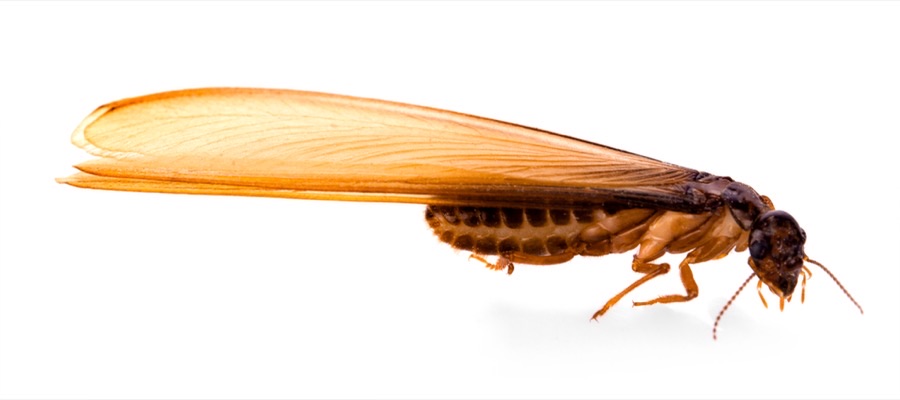
Termite Swarmer
Termite Control — Complete Colony Elimination
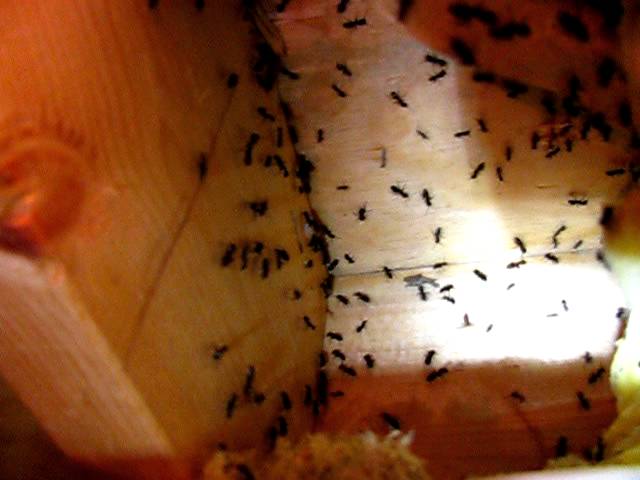
Go to our Carpenter Ant page to watch a video of a large carpenter ant colony we found under the front door of a home
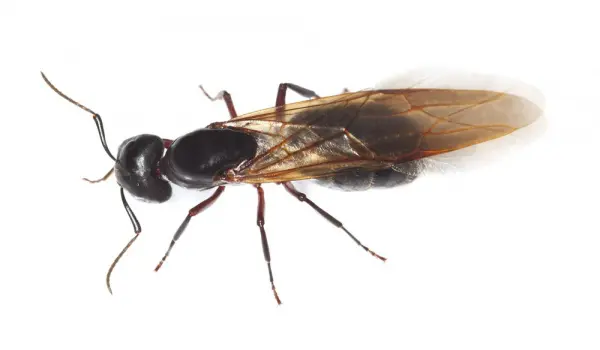
Carpenter Ant Swarmer
Ant Control — Proven Results.
Massachusetts Tick Control Specialists
Massachusetts Tick Control Spraying Services
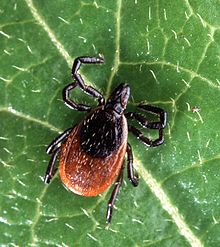
Black Legged Deer Tick
As we all know, deer ticks are a big problem in Massachusetts. Our combination of woodlands and a large deer population provide a great tick habitat. Lyme Disease is the most common tick-borne disease in North America. It is a well publicized disease and has gained national attention due to its rapid spread. The main agent of this disease is a microbe called Borrelia burgdorferi. Deer ticks can also carry the Powassan virus. Most cases of Lyme Disease in the United States are in the northeastern part of the country.
The reservoir for Lyme is small mammals, specifically rodents. Ticks, primarily the blacklegged or deer tick, feed on deer and mice and the ticks transfer the microbe to humans. The disease does not appear to affect the deer or mice.
To reduce the presence of all kinds of ticks in your yard, be sure to keep your grass cut short and use a flea and tick prevention for dogs. Our tick control prevention service is a 2-treatment program. The first treatment is performed during the spring/early summer to kill the newly emerging ticks while in the very small nymph stage and the second treatment is performed during late summer/fall to kill the larger adult sized ticks.
Massachusetts Tick Facts
Ticks only become infected with the agents causing Lyme disease when they take their blood meal from an infectious animal host. Contrary to popular belief, ticks don’t become infected by feeding on deer. Deer don’t transmit the disease to ticks, although they do play a important role in a tick’s life. Instead, it’s small rodents and some common species of birds, especially white-footed mice, that pass on the bacterial agent that causes Lyme disease.
Mice are active at night and live in the forest, brush, and in stone walls, and with more than 150,000 miles of stone walls in New England, that’s a lot of prime real estate. Stone walls are like rodent condominiums.
The poppy-seed size nymphs emerge in May and are active through July. They wait on shaded vegetation near the ground (yard perimeters), looking for a host, most likely a small mammal or bird to latch on to. However, a human or family dog is also suitable. Nearly 25 percent of nymphs are already infected with the disease, and they are much tougher to spot than infected adult ticks.
They crawl up from the ground, up our legs, and we don’t feel them. They’re hard to see.
After about four days and a steady diet of blood, the engorged nymph drops from its host into the leaf litter below. The tick then molts again, and when the fall comes, adult-stage ticks, now active, wait in tall grass or brushy stems usually a foot or two above the ground looking for its host to latch on to.
White-tailed deer are an adult tick’s best friend. They are the main reproductive host. If no deer are around, then most likely no deer ticks will be around.
The adult-stage ticks are active from October throughout the winter, as long as the ground isn’t frozen or covered with snow. However, there is some good news: In New England, where temperatures typically fall below freezing, the adult tick may be kept dormant by frigid air.
A blood-engorged female – after feeding for about seven days in the fall or spring – detaches from its host and falls off; if the host is a deer, ticks fall off where ever deer may be bedded down. It survives the winter in the forest litter, and around Memorial Day, each female tick begins laying more than 1,500 eggs. That’s when the new larvae start the whole two-year cycle of the deer tick again.
While more than half of adult stage ticks are infected with Lyme disease, they are not as dangerous as they are in the spring nymphal stage. That’s because the fall apple seed sized adults are easier to spot. The pathogen transmission from the embedded infected ticks to pets and humans begins to occur in about 24 to 36 hours.